Hartzell Preheat

Confidence Begins Before Engine Start
Explore the science, benefits, and best practices of aircraft preheating - and find the right system for your mission.
Why Preheat?
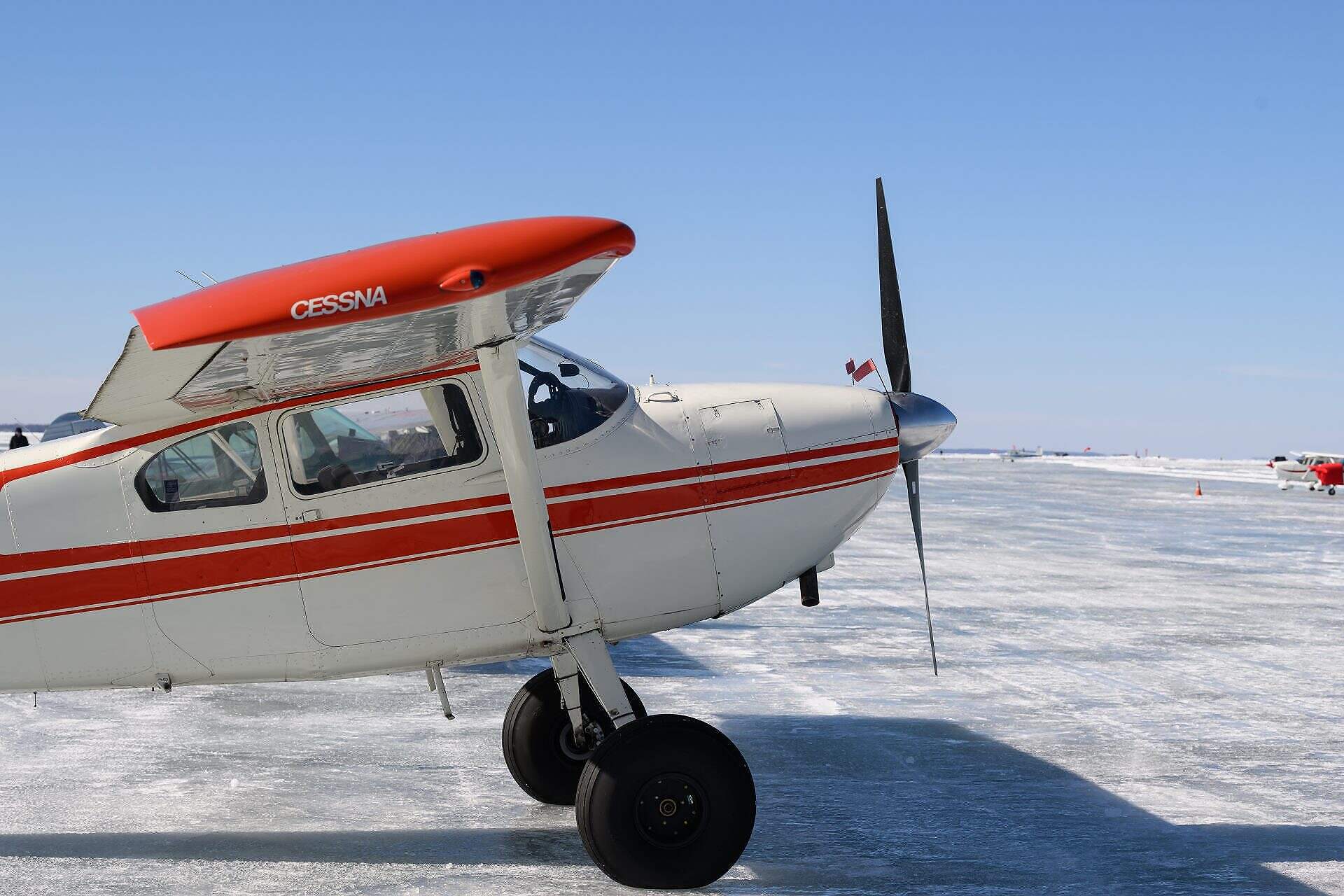
Cold weather operations can place significant stress on aircraft systems. Proper preheating reduces wear during startup, improves reliability, and helps ensure safe operation in cold environments.
When an aircraft is cold-soaked, oil thickens, metals contract, and clearances between moving parts change. Moisture can also accumulate inside the system. Starting in this condition can result in reduced lubrication, increased mechanical wear, and unnecessary strain on starters, batteries, seals, and accessories.
Aircraft and engine manufacturers strongly recommend preheating when temperatures fall below certain thresholds.
Manufacturer Guidance
Lycoming
Preheating is required when the engine temperature drops below 10°F (-12°C) for most models, and 20°F (-6°C) for some variants.
Continental
Preheating is required when the engine has been exposed to 20°F (-7°C) or below for two hours or more.
Failure to properly preheat can lead to:
- Oil thickening or congealing, restricting oil flow
- Increased internal engine wear
- Difficult starting
- Reduced engine performance
- Shortened time-between-overhaul (TBO)
Even when not strictly required by manufacturers, many operators choose to preheat at higher temperatures (30-50°F) to reduce startup wear and improve reliability.
Preheating is beneficial for piston engines, turbine engines, gearboxes, hydraulics, accessories, avionics and batteries, particularly when aircraft operate in cold climates or remain in unheated hangars or outdoors.
Benefits of Proper Preheating
Cold temperatures can significantly affect aircraft systems on the ground. Preheating helps ensure reliable starts, reduces mechanical stress, and protects critical components before flight.
When an aircraft is cold-soaked, oil thickens, metals contract, and moisture can accumulate within internal components. Starting in this condition increases wear and places unnecessary strain on starters, batteries, and internal engine components. Proper preheating warms the aircraft's critical systems and reduces these risks.

Expand to Learn About Each Benefit:
Compare Preheat Systems to Find the Right Solution for Your Mission
Oil-Sump Only
- Minimum Preheat Time: 6 Hours
- Certification: PMA
- Max Allowable Ambient Temp (°F): 90°F
- Engine Monitor Compatibility
- SwitcheOn Compatibility
- Generator / Battery Pack Compatibility
- Oil-Sump Preheat
Reiff Standard
- Minimum Preheat Time: 2.5 Hours
- Certification: PMA
- Max Allowable Ambient Temp (°F): 90°F
- Engine Monitor Compatibility
- SwitcheOn Compatibility
- Generator / Battery Pack Compatibility
- Oil-Sump Preheat
- Multi-Point Preheat
- Oil Cooler Preheat
- Reduced Component Wear
Reiff XP
- Minimum Preheat Time: 2 Hours
- Certification: PMA
- Max Allowable Ambient Temp (°F): 70°F
- Engine Monitor Compatibility
- SwitcheOn Compatibility
- Generator / Battery Pack Compatibility
- Oil-Sump Preheat
- Multi-Point Preheat
- Oil Cooler Preheat
- Reduced Component Wear
- Extreme Cold Conditions
Tanis
- Minimum Preheat Time: 2 Hours
- Certification: STC / PMA
- Max Allowable Ambient Temp (°F): 100°F
- Engine Monitor Compatibility
- SwitcheOn Compatibility
- Generator / Battery Pack Compatibility
- Oil-Sump Preheat
- Multi-Point Preheat
- Oil Cooler Preheat
- Reduced Component Wear
- Extreme Cold Conditions
- Avionics / Cabin Heat
- Battery Heat
- Turbine Engine Preheat
- Rotorcraft Preheat
- Uniform Heat-Soaking
- Internal Corrosion Protection
- Complete Airframe Systems
- Continuous Operation


Best Practices for Aircraft Preheating
Proper preheating is about more than simply warming the oil. The goal is to bring the aircraft and its critical systems to a stable temperature before startup, reducing corrosion, mechanical stress, and unnecessary wear during cold-weather operations.